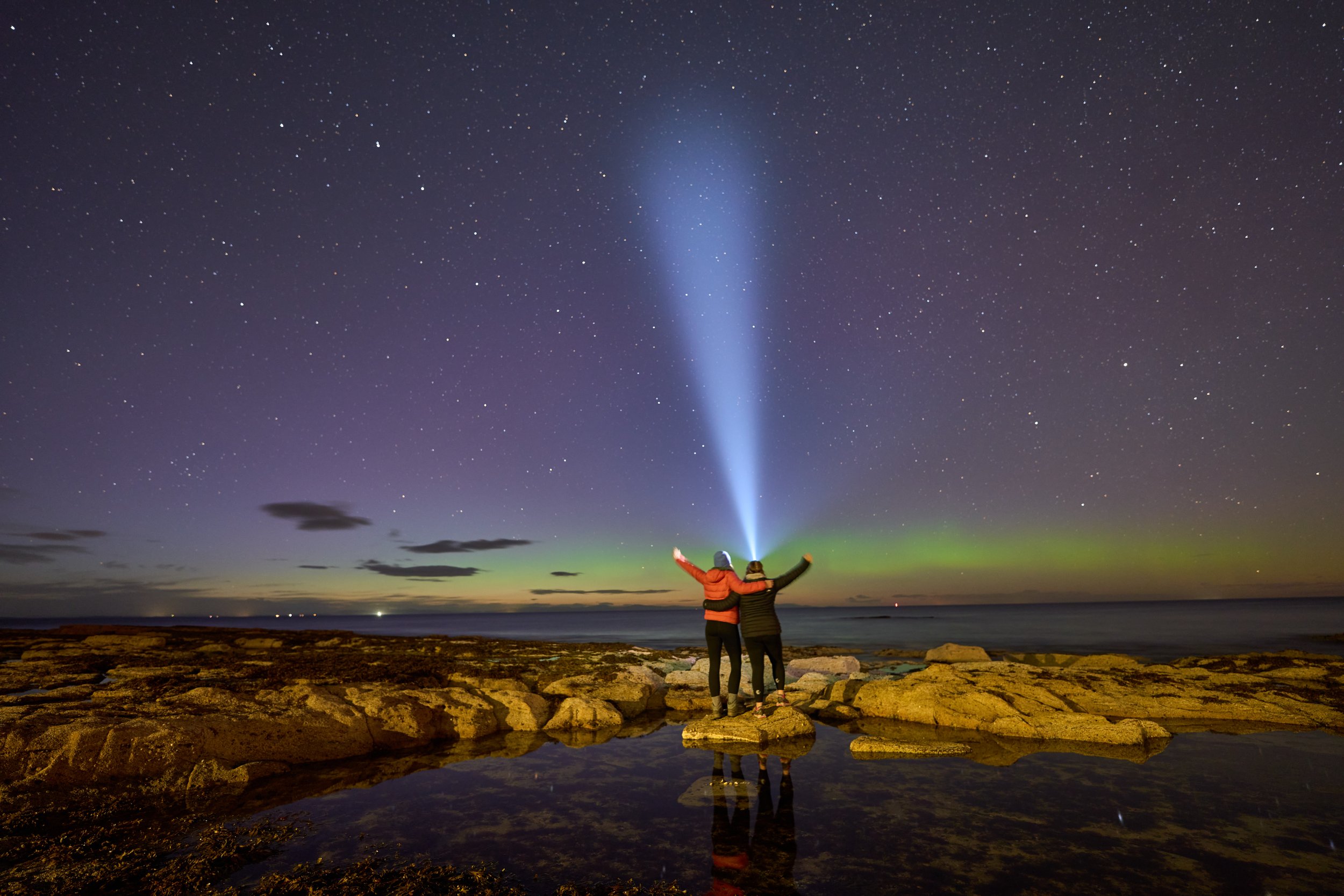
Northern Hemisphere Night Skies for Beginners
For years I’ve been fascinated by the night sky. Folklore is not only echoed around the world for the constellations but also through time; with some of the stories thousands of years old. For me it’s not only about understanding the constellations in general but also about their mythology and uses.
Who is this course for:
People who want to know more about the UK’s major constellations
Those who want to learn to navigate with the stars
Those with an interest in folklore, mythology and stories
People who want to feel more confident at nighttime
Who is this course not for:
People want to learn about specific stars (not constellations)
People who are interested in in-depth scientific explantations of deep space phenomena
My aim is to ensure that by this course you will have some recognisable and interesting star constellations in your back pocket for night time adventures and plenty of good stories to tell too!
-
-
Lesson 1: Getting orientated after dark
It can be overwhelming when looking at the night sky to work out where to start. The more we look, the more there is. So to start with, let’s spot the big hitters and try to sort the vital signs from the noise.
It can be overwhelming when looking at the night sky to work out where to start. The more we look, the more there is. So to start with, let’s spot the big hitters and try to sort the vital signs from the noise.
-
Lesson 2: Why these constellations matter
It’s no surprise that certain constellations pop up time and time again in folklore and mythology. So why do we need to recognise these main stars?
It’s no surprise that certain constellations pop up time and time again in folklore and mythology. So why do we need to recognise these main stars?
-
Lesson 3: How to read the sky as a map, not a memory test
Once we get a handle on the big names in the night sky we can start to use them to create a wide map of the night sky. One leads to the next, which leads to the next, which leads to the next. We can start to read them as we might read an atlas
Once we get a handle on the big names in the night sky we can start to use them to create a wide map of the night sky. One leads to the next, which leads to the next, which leads to the next. We can start to read them as we might read an atlas
-
Lesson 4: Seasonable visibility in the UK
It’s no surprise that the skies change through the year and by location. In Scotland we have winters filled with very long, dark nights whereas the south coast has better visibility of the GC in the summer.
It’s no surprise that the skies change through the year and by location. In Scotland we have winters filled with very long, dark nights whereas the south coast has better visibility of the GC in the summer.
-
-
-
Lesson 1: The Plough and Ursa Major
The most obvious constellation in the night sky and usually the one we learn first. Where is it? How can we use it? Is it part of something bigger?
The most obvious constellation in the night sky and usually the one we learn first. Where is it? How can we use it? Is it part of something bigger?
-
Lesson 2: Finding Polaris
The plough is a huge constellation with a lot of mythology and folklore but it’s also a very important natural navigational tool.
The plough is a huge constellation with a lot of mythology and folklore but it’s also a very important natural navigational tool.
-
Lesson 3: Polaris and Ursa Minor
We now know the story of Calisto the bear but where’s little Arcas?
We now know the story of Calisto the bear but where’s little Arcas?
-
-
-
Lesson 1: The Big W
Cassiopeia is one of my favourite stories and opens up not one, but three constellations to us.
Cassiopeia is one of my favourite stories and opens up not one, but three constellations to us.
-
Lesson 2: The Story of the Boastful Queen
Cassiopeia was known for being a boastful queen and her pride got her, and her family into a lot of trouble with the gods!
Cassiopeia was known for being a boastful queen and her pride got her, and her family into a lot of trouble with the gods!
-
-
-
Lesson 1: The dragon between the stars
Draco the Dragon is a myth which has been echoed through a number of cultures around the world. A sea monster, a dragon or a serpent - Draco is not the easiest constellation to spot but one of the most exciting!
Draco the Dragon is a myth which has been echoed through a number of cultures around the world. A sea monster, a dragon or a serpent - Draco is not the easiest constellation to spot but one of the most exciting!
-
Lesson 2: Folklore and importance
Such a huge constellation has a lot of different folklore associated with it and it’s name stems from the Latin for dragon which already indicates that it was not only the Greeks who saw a monster in the stars…
Such a huge constellation has a lot of different folklore associated with it and it’s name stems from the Latin for dragon which already indicates that it was not only the Greeks who saw a monster in the stars…
-
-
-
Lesson 1: Spotting Capella
Capella is the brightest star in the constellation Auriga and usually one of the earliest stars in the evening sky. Knowing where to look to spot it will make seeing the whole constellation of Auriga much easier.
Capella is the brightest star in the constellation Auriga and usually one of the earliest stars in the evening sky. Knowing where to look to spot it will make seeing the whole constellation of Auriga much easier.
-
Lesson 2: Auriga's uses
Auriga is another ‘key-stone’ constellation and one which can help direct us around the sky as a whole - if you know what to look for.
Auriga is another ‘key-stone’ constellation and one which can help direct us around the sky as a whole - if you know what to look for.
-
Lesson 3: Folklore and mythology
Auriga s closely linked to another constellation but the story with this ring of stars is dramatic in itself.
Auriga s closely linked to another constellation but the story with this ring of stars is dramatic in itself.
-
-
-
Lesson 1: The Summer Triangle
There are three important stars which make up the summer triangle, all part of different constellations but once you’ve noticed them, you won’t miss them again…
There are three important stars which make up the summer triangle, all part of different constellations but once you’ve noticed them, you won’t miss them again…
-
Lesson 2: The story of Cygnus
Now that we know the three stars which make up the triangle, let’s focus in on Cygnus. Who was he and how might he relate to another character we’ve already met?
Now that we know the three stars which make up the triangle, let’s focus in on Cygnus. Who was he and how might he relate to another character we’ve already met?
-
Lesson 3: The northern cross
Cygnus holds another use within and one which has been used by generations of natural navigators…
Cygnus holds another use within and one which has been used by generations of natural navigators…
-
-
-